by Francesca Olivier, Future Games, Sweden.
When NuGamers started in late 2023, the question was simple: how can vocational game schools turn good intentions about gender equality into what actually happens in outreach and in the classroom? Two years later, as the project comes to an end, partners can already see concrete changes in how they talk about games education, reach out to girls and non-binary learners, and support them once they enrol.
Coordinated by Futuregames (SE) with ALL DIGITAL (BE), Xamk – South-Eastern Finland University of Applied Sciences (FI), Sineglossa (IT) and Algebra University College (HR), NuGamers focused on the people who design curricula and lead orientation and recruitment activities. These staff sit at the crucial intersection between secondary schools, VET and higher education, yet rarely receive tailored support on gender-inclusive practice.
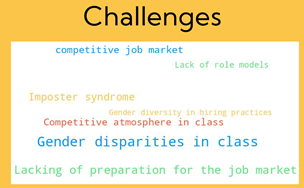
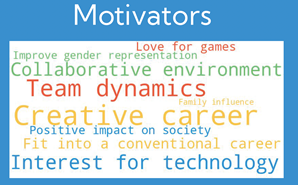
The project began by listening. In Sweden, Finland and Croatia, female secondary school pupils, VET students and early-career developers took part in focus groups about their pathways into games, the stereotypes they encountered, and the hostile behaviours they often meet in online gaming communities and industries. Their experiences fed into a concise factsheet on gender bias in games education. It maps obstacles, motivators and risks such as cyber-bullying and self-censorship, and sets out key recommendations for schools, VET and HE providers.
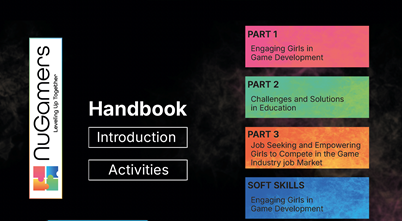
On this basis, the partners co-created the NuGamers Handbook for Gender-Inclusive Games Education, a practical guide for managers, teachers and guidance counsellors. It offers checklists, self-reflection questions and real examples from the partners’ own game programmes. Topics range from rethinking course descriptions and imagery, to balancing creative and technical elements in curricula, to working with parents and school guidance staff who may see games as “not a real job”.