This article is part of the new “Centres for Teaching and Learning” series, a collection of interviews and articles exploring the diverse roles and innovative practices of CTLs, presented by the Media and Learning CTL Special Interest Group. In this series, we invite one of our SIG members each month to talk about CTLs, to describe the work they do and to highlight some of the challenges they face.
This month’s article is written by Nynke Kruiderink from Npuls, the Netherlands.
CTLs as Systemic Knowledge Brokers for Lifelong Learning
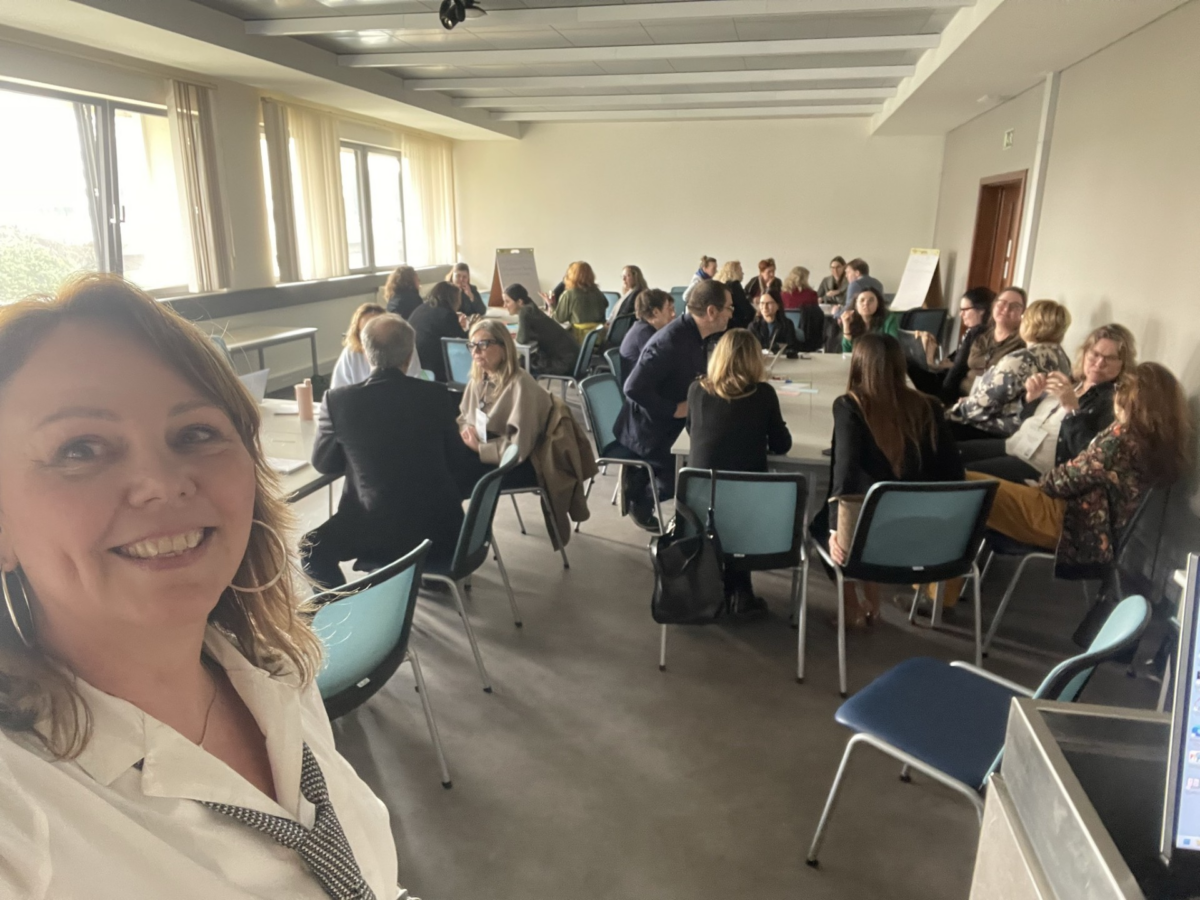
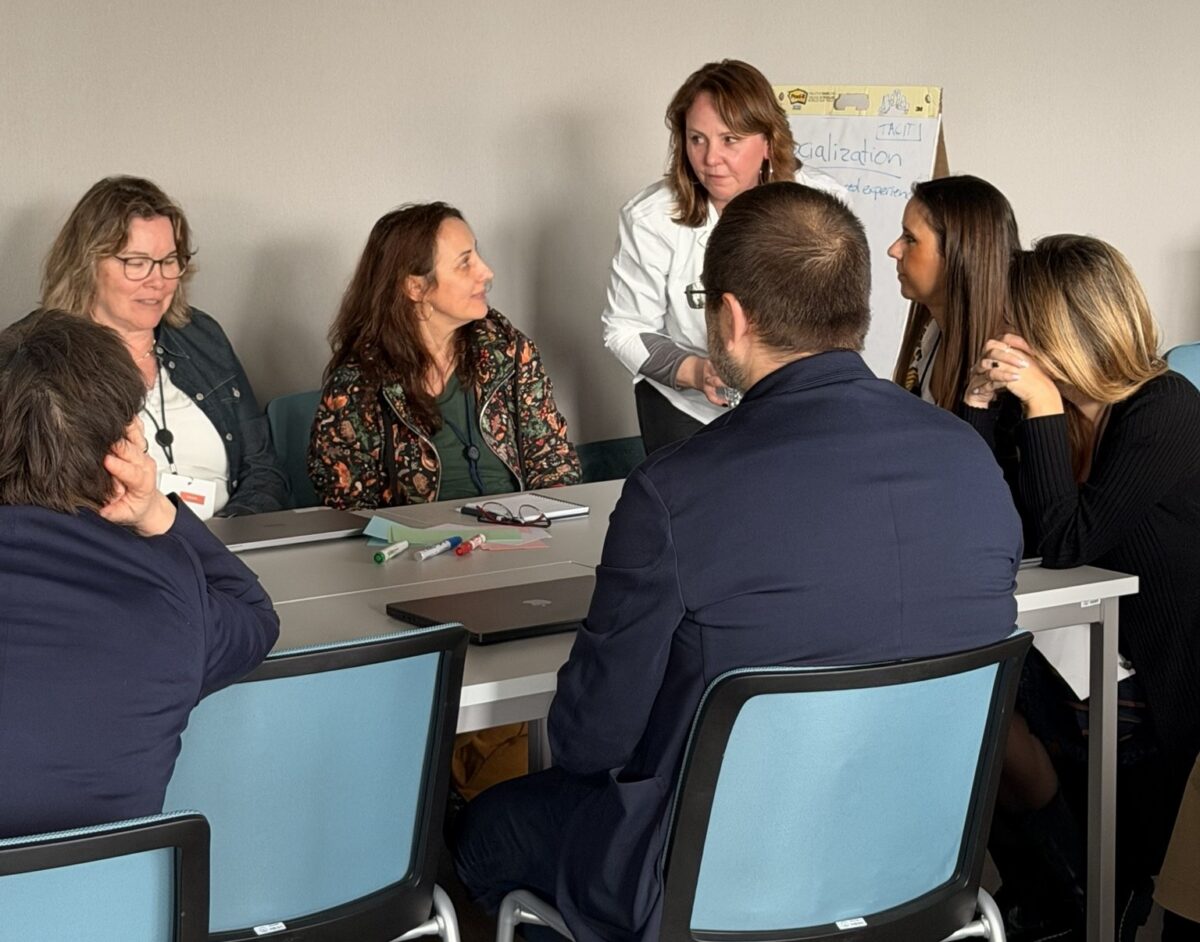
In the past weeks I gave a keynote and led a workshop at two European conferences with very different audiences and atmospheres. Still, the same energy was present in both places: a growing sense that staff development is moving from the margins to the centre of educational strategy. It’s no longer treated as a supportive extra, but as a core condition for the kind of change higher education is being asked to deliver, whether that change is driven by AI, new student needs, shifting labour markets, or wider societal expectations.
That broader shift also connects to European ambitions around lifelong learning. Across Europe, the emphasis on upskilling and reskilling is becoming more explicit and more urgent. And if lifelong learning is to become reality, it cannot stop with students and professionals “out there.” It has to include the educators themselves.
This is where Centres for Teaching and Learning (CTLs) come into view. CTLs sit at an interesting crossroads: they support the professional development of educators, they connect expertise and practice, and they help institutions make educational improvement more sustainable. In the Netherlands, within the Npuls programme, CTLs are also becoming increasingly visible as change agents: not because they “own” staff development, but because they make it easier for staff development to happen in coherent, connected, and sustainable ways.
Qualification is not the same as competence
Formal degrees and teaching qualifications matter. They ensure educators meet professional standards and have a shared baseline. But in a rapidly changing world, qualification is only the beginning. Competence is something different: it is continuous. It needs renewal. It needs room to practice, experiment, reflect, and learn together—especially when new technologies, new pedagogies, and new student realities keep reshaping what “good teaching” looks like.
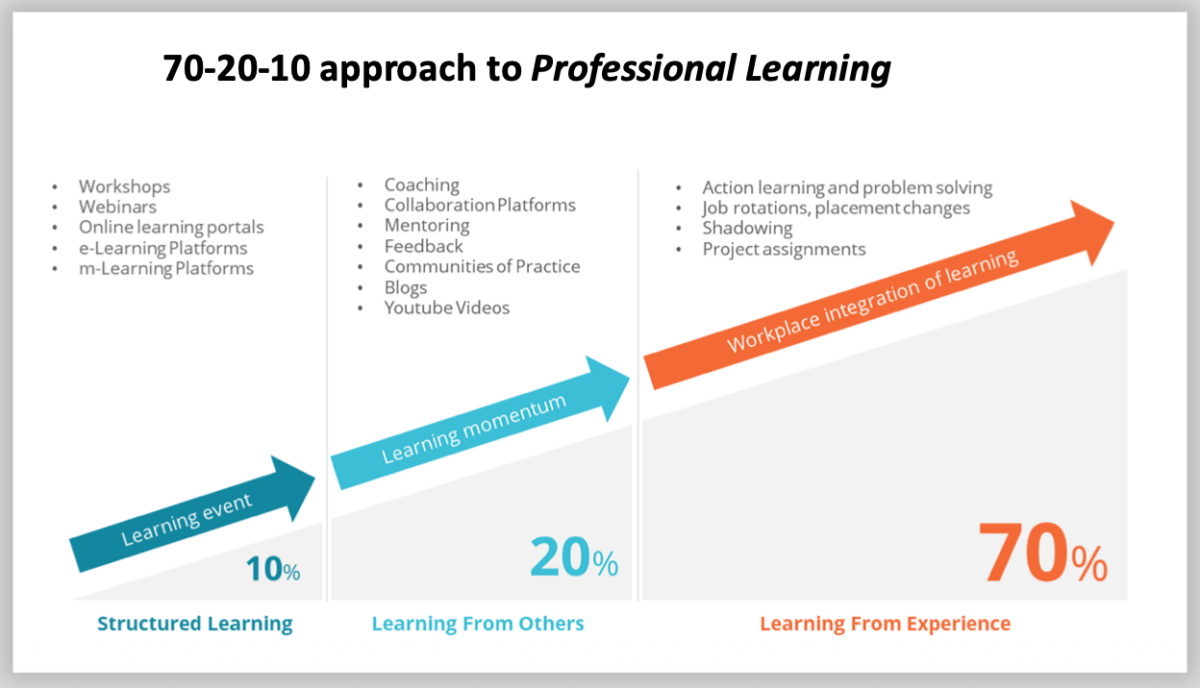
That is why lifelong learning approaches are so crucial for educators. CTLs often play a key role here, not just by offering training, but by creating scaffolding for professional learning that fits daily academic life. When that scaffolding is strong, educators don’t have to “figure everything out alone” and innovation doesn’t stay locked inside a single course team, department, or early adopter group.